Tokwe vehicle surveillance rule
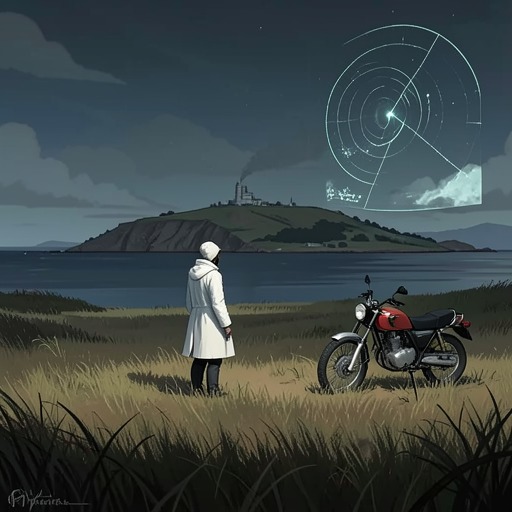
The IPCRESS FileThe Tokwe vehicle surveillance rule made every car on Tokwe part of a monitoring system. A small radio concealed inside each vehicle transmitted conversations to a receiver as far as three miles away and used a compass device to signal the vehicle’s direction and travel. The rule turned ordinary movement into information available to unseen observers; when the narrator and Jean tried to leave the Mess without being tracked, the transmitter itself became the first obstacle they had to overcome.
The compulsory car monitor
The device was a grey painted metal box, slightly larger than a packet of twenty cigarettes, with one perforated face. It was attached by two magnets to the driver’s sunshield, so it could be removed without dismantling the car. Its functions combined listening and location reporting: it sent conversation to a distant receiver and communicated the direction and movement of the vehicle. The narrator understood that even a short journey could therefore disclose both what the occupants said and where they went.
Removal and evasion
Jean drove a Ford convertible. Before they set off, the narrator pulled the box from the sunshield and buried it deep in a box of Kleenex in the rear seat of a pink Chevrolet parked alongside. The choice of hiding place was meant to make the abandoned signal less conspicuous: without a visual check, the observers might register only another silent vehicle in the Mess car park. The episode shows that the system depended not only on its transmitter but also on whether anyone noticed that a particular car had stopped reporting. After Jean drove away, they travelled about a mile before stopping to fold back the convertible’s hood. The narrator then inspected the windscreen and the tops of the doors, treating the car’s exposed surfaces as possible points of observation. He believed they were probably clear but urged continued caution. Removing the radio interrupted one channel of surveillance; it did not establish that the vehicle could not be watched by other means.
The wider surveillance network
The car monitor operated within a broader Tokwe security system. Infra-red cameras on towers watched the road and shipping channel; some towers were manned and others remotely controlled. Their overlapping fields allowed observation to continue when one camera went out of action. In a separate demonstration, the Brigadier showed how tower cameras transmitted images to apparatus that rendered activity as a distorted map of the island’s side, while high-speed television transmission produced hundreds of pictures in each frame. This larger network helps explain the rule’s force: the radio made cars directly traceable, while towers and image processing could provide another view of movement across the island. The narrator’s precautions therefore amounted to a limited countermeasure against an infrastructure designed to observe vehicles through more than one channel.